If you’re looking for a safari experience that captures the essence of Uganda’s wildlife without venturing too far from the capital, Lake Mburo National Park is the perfect destination. Compact, scenic, and teeming with wildlife, it is Uganda’s most accessible national park—ideal for weekend getaways, short safaris, or a final stop before or after Uganda gorilla trekking adventures. Whether you’re a self-drive traveler, a photographer, or simply seeking a relaxed bush experience, Lake Mburo offers the best of both adventure and tranquility.
Though smaller than Uganda’s iconic parks like Murchison Falls or Queen Elizabeth, Lake Mburo is a hidden gem known for its beauty, variety, and calm atmosphere. Covering about 260 square kilometers, the park is dominated by rolling hills, open savannah, acacia woodland, and five lakes interconnected by papyrus swamps.
Here’s what makes Lake Mburo stand out:
- Close Proximity to Kampala
Lake Mburo is the nearest national park to Uganda’s capital city. You can leave Kampala in the morning and be on a game drive by lunchtime—something no other major park can offer. This makes it ideal for travelers on tight schedules or those combining wildlife and cultural experiences.
- Excellent Wildlife Viewing
The park is home to over 68 mammal species and 350 bird species. It’s the only park in Uganda where you can see impalas, and one of the few with zebras, eland, topi, warthogs, and giraffes in one place. Though it lacks elephants and lions (which actually makes walking safaris possible), predators like leopards, hyenas, and jackals still roam the area.
Popular sightings include:
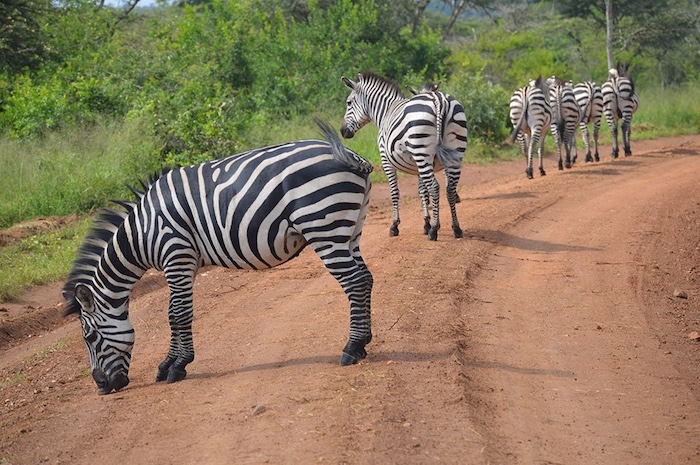
- Burchell’s zebras grazing in the open plains
- Eland antelopes, the largest of all antelope species
- Buffalo herds gathering around waterholes
- Hippos and crocodiles in Lake Mburo itself
- Giraffes reintroduced from Murchison Falls National Park
- Variety of Safari Activities
Unlike other parks where game drives dominate, Lake Mburo offers an impressive range of activities—making every visit different.
- Game Drives: The park’s network of well-maintained tracks leads through diverse habitats, providing fantastic opportunities for wildlife photography. Early morning and late afternoon drives are best for sightings.
- Walking Safaris: Because there are no elephants or lions, Lake Mburo is Uganda’s safest park for guided walking safaris. Accompanied by an armed ranger, you can track animals on foot—a thrilling and intimate experience.
- Boat Safaris: A boat ride on Lake Mburo reveals hippos, crocodiles, waterbirds, and stunning scenery. The shoreline attracts animals like buffaloes and antelopes, making for great photo opportunities.
- Horseback Safaris: One of the park’s most unique experiences, horseback safaris allow you to ride through the plains among zebras and antelopes—an unforgettable and peaceful way to explore the bush.
- Cycling Safaris: Guided mountain bike rides are available for adventurous travelers who wish to experience the park’s terrain from a different perspective.
- Night Game Drives: Lake Mburo is one of the few parks in Uganda offering night drives, a chance to spot nocturnal animals like leopards, bush babies, and hyenas.
Bird Watching Paradise
Lake Mburo is a birder’s delight. With over 350 bird species recorded, including both savannah and wetland varieties, the park offers some of the best birding in Uganda. The papyrus fringes, acacia woodlands, and rocky outcrops each host their own unique avian species.
Common sightings include:
- African Fish Eagle
- Grey Crowned Crane (Uganda’s national bird)
- Malachite Kingfisher
- Bare-faced Go-away-bird
- African Finfoot
- Ross’s Turaco
- Red-faced Barbet (rare and localized)
For keen birders, the Rwonyo area and the lakeside trails are must-visit spots.
Scenery and Landscape
Lake Mburo’s landscape is breathtakingly diverse. Rolling hills, open savannah, wetlands, and lakes combine to form one of Uganda’s most picturesque settings. The park’s five lakes—Mburo, Bwara, Kazuma, Kigambira, and Mutukula—are connected by papyrus swamps that attract an abundance of wildlife.
The park’s western boundary also features the Rwizi River, which flows into Lake Mburo and supports a network of seasonal streams and wetlands. These water sources make the park lush and green even during the dry season.
For photography enthusiasts, the mix of golden savannah, reflections on the lake, and silhouettes of acacia trees at sunset make every moment magical.
Cultural Encounters
Beyond wildlife, Lake Mburo offers rich cultural experiences with the Banyankole people, renowned for their long-horned Ankole cattle. Visitors can tour nearby homesteads to learn traditional milking methods, local food preparation, and the cultural significance of cattle in Banyankole life.
The Ankole Cultural Centre near Sanga gate provides an excellent opportunity to explore this heritage through storytelling, music, and traditional dance. Combining cultural experiences with your safari adds depth and connection to the region’s people and history.
A Perfect Short Safari Itinerary
If you have limited time, here’s a simple 2-day Lake Mburo safari plan:
Day 1:
Depart Kampala early morning. Stop at the Equator in Kayabwe for photos and coffee. Continue to Lake Mburo and arrive in time for lunch. Enjoy an afternoon boat safari followed by a sunset game drive.
Day 2:
Start with an early morning walking safari or horseback ride through the savannah. After breakfast, visit the Ankole Cultural Centre before heading back to Kampala or continuing to your next destination.
This short safari provides a fulfilling wildlife experience without the long drives typical of other parks.
Conclusion
Lake Mburo National Park may be the smallest of Uganda’s savannah parks, but it delivers one of the most complete and accessible safari experiences in the country. Its rich wildlife, scenic beauty, and variety of activities make it the best short safari destination in Uganda—perfect for first-time visitors or those with limited time.
Whether you choose a self-drive adventure or prefer to rent a car in Uganda with a driver, Lake Mburo promises an unforgettable encounter with nature. Just a few hours from Kampala, it’s where the wild begins—rolling hills, shimmering lakes, and herds of zebra under the African sun.
Lake Mburo National Park proves that sometimes, the smallest parks offer the biggest memories.